
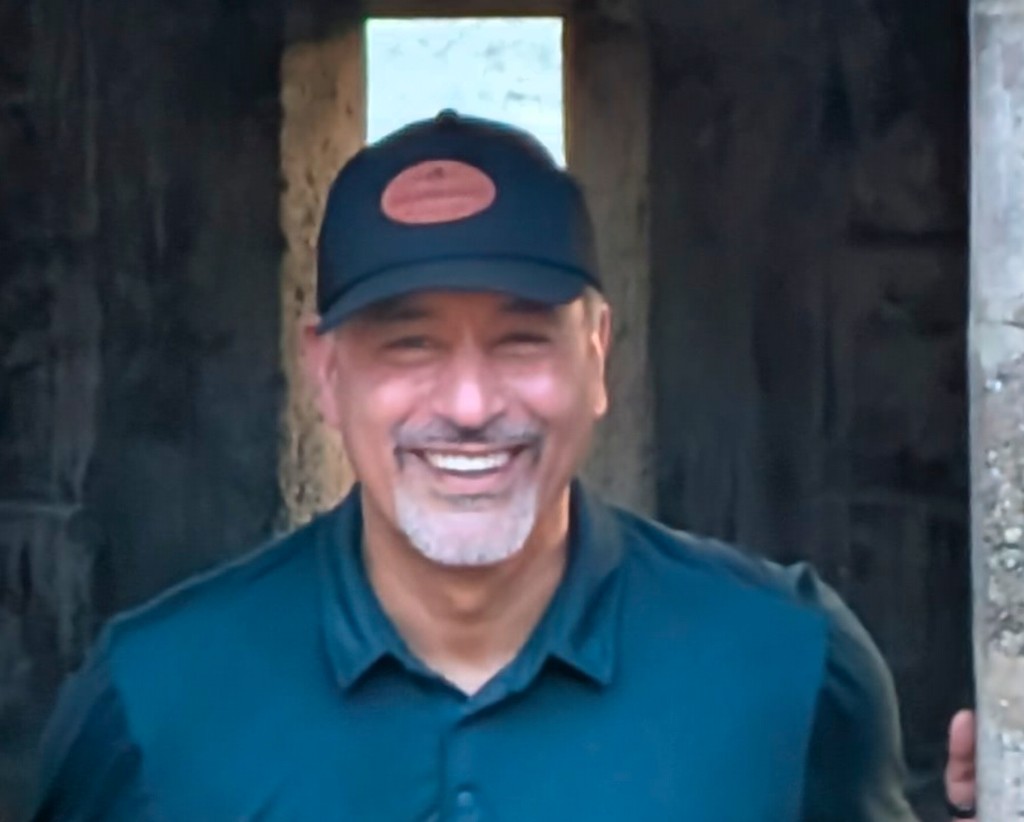
Rick Gomez

Free intro call. Enroll when it's the right fit.
Credentials & Qualifications

About Me
My nearly forty year career as a college professor, voice instructor, musical theatre/opera performer, program director, curriculum designer, music director, and director, has encompassed nearly every possible vocal genre. My approach to voice instruction is rooted in the belief that singing is the height of human communication and expression. I help students understand not only what to do, but why they are doing it. Through vocal, musical, textual, and character analysis, students connect learned technical choices to their innate expressiveness. Through clear and supportive instruction, actionable feedback, and guided revision, I help students become independent, authentic, and inspiring artists.
How I Teach
I adapt my teaching to the needs of each student rather than relying on a single method. Some students learn best through analytical frameworks and technical explanations, while others respond to guided discovery, discussion, or experiential learning. My goal is to identify obstacles to growth, create understanding, and help students apply what they learn so they become independent, confident, and effective performers.
Additional Expertise
My Musical Styles
My Teaching Philosophy
Tell the story. I am a director, music director, program director, voice teacher, acting coach, singer and actor. When working towards a performance, however, no matter which hat I'm wearing, my goal is always the same: Tell the story. Every person involved in the performing arts--whether in costume design or chorus line, in the pit or on the stage, on headsets or revolving sets--has the same objective: Tell the story. In order for a performing artist to have the ability to pull his weight in this endeavor, he must have strong fundamental training; he must have a sound technique. When the lay person pictures the archetypal artist, the image is usually of an eccentric bohemian inexplicably blessed with a personal muse. The problem in this scenario is that this artist only remains active so long as his capricious muse chooses to speak to him; the flow of art ceases when the muse is mute. The truth is, trained artists don't hope for mysterious sources of inspiration to endow them with their problem solving needs; trained artists have any number of methods at their disposal that assist them with the task of crafting their work. Artists are buoyed by the process behind their artistry. Students of the performing arts, then, must fully absorb the fundamentals of crafting their cognitive, emotive and physical talent so that they may continue to grow as artists long after the lessons of their training have ended. Simply put, they must make a strong personal commitment to the development of their technical training so that they can more easily service a director in his quest to tell the story.
Monday
11:00 AM - 5:00 PM
Tuesday
11:00 AM - 5:00 PM
Wednesday
11:00 AM - 5:00 PM
Thursday
11:00 AM - 5:00 PM
Friday
11:00 AM - 5:00 PM
All times in
Getting started steps
Getting Started with Rick
Meet Your Teacher
Free intro call to talk goals and see if it’s the right fit
Enroll in Class
Continue with weekly lessons when you’re ready
Schedule & Start Learning
Book lessons online, on your schedule


